
A small roof leak can quickly become a larger home problem when water travels behind walls, damages insulation, or creates hidden moisture issues. Effective roof leak detection in Long Beach helps homeowners identify where water is entering before costly repairs become necessary. Because roof leaks often begin away from the visible stain inside your home, understanding common entry points makes it easier to respond quickly. Atlas Roofing Long Beach helps homeowners recognize warning signs and address roof problems with practical solutions designed for coastal conditions.
Why Roof Leaks Can Be Difficult to Find
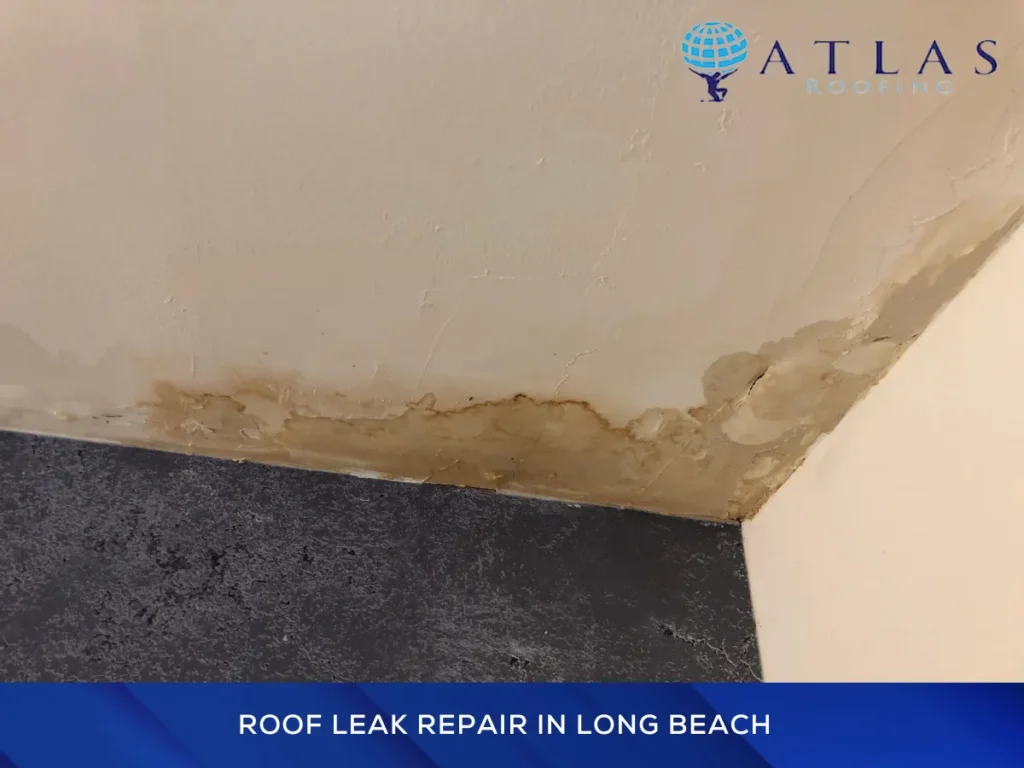
Many homeowners assume the location of a ceiling stain is directly below the damaged area of the roof. Unfortunately, water rarely follows a straight path once it enters a roofing system. It can move along roof decking, insulation, rafters, and wall cavities before appearing inside your home.
This is why professional roof leak detection in Long Beach requires more than simply looking for missing shingles or obvious damage. Experienced roofing professionals inspect the entire system, including flashing, roof edges, penetrations, and areas where different materials meet.
Long Beach homes face unique roofing challenges because of coastal weather conditions. Sun exposure, wind, occasional heavy rain, and moisture from the ocean environment can gradually weaken roofing materials. Even a small gap can allow water to enter during the next storm.
Common Roof Leaks Around Long Beach Homes
Understanding the most common roof leak locations can help homeowners spot problems early. While every roof is different, certain areas consistently create issues.
- Roof Flashing Around Openings and Transitions
Flashing is one of the most important parts of a roofing system. These metal or protective materials seal areas where water could enter, such as around chimneys, vents, skylights, and roof intersections.
Over time, flashing can loosen, crack, corrode, or separate from surrounding materials. When this happens, water can slip underneath and enter the home.
Many common roof leaks begin with flashing failures because these areas experience frequent movement from temperature changes and weather exposure. During a roof inspection, checking flashing should always be a priority.
- Damaged or Missing Roofing Materials
Roofing materials are designed to protect your home from the elements, but they cannot perform properly when they become damaged.
Cracked tiles, damaged shingles, loose roofing materials, and worn sections can create openings where water enters. In some cases, the damage may be easy to see. In others, deterioration happens gradually and is only discovered after water appears indoors.
Regular inspections allow homeowners to catch these issues before they develop into larger leaking roof repair needs.
- Roof Valleys Where Water Collects
Roof valleys are the areas where two roof sections meet. These locations naturally collect and direct rainwater toward drainage areas, making them especially important during storms.
When valleys are not properly sealed or become damaged, water can enter beneath the roofing materials. Because valleys handle large amounts of water, even a small failure can lead to significant leaks.
Proper roof leak detection in Long Beach includes checking these areas carefully because they are common trouble spots.
- Vents, Pipes, and Other Roof Penetrations
Any opening created in a roof requires proper sealing. Plumbing vents, exhaust vents, HVAC components, and other roof penetrations can become entry points when seals break down.
The materials around these areas can shrink, crack, or deteriorate over time. A roof may look completely intact from the ground while water is quietly entering around a vent.
Homeowners often discover these leaks after noticing stains near bathrooms, ceilings, or interior walls.
- Gutters and Roof Edges
Although gutters are not technically part of the roof surface, they play an important role in protecting your roofing system. When gutters become clogged, damaged, or improperly positioned, water can back up near the roof edge.
Standing water near roof edges increases the chance of moisture entering vulnerable areas. Keeping drainage systems maintained can help prevent avoidable roof problems.
Signs Your Home May Need Roof Leak Detection
Some roof leaks are obvious, while others provide subtle warning signs. Catching these early can prevent more extensive repairs.
Homeowners should pay attention to:
- Water stains on ceilings or walls
- Peeling paint or bubbling drywall
- Musty odors inside the home
- Damp insulation or attic moisture
- Visible roof damage after storms
- Mold or mildew growth in areas affected by moisture
- Dripping sounds during rainfall
A roof leak does not always mean you need a complete roof replacement. In many cases, timely roof leak repair in Long Beach can resolve the issue and protect the rest of your home.
Why Professional Roof Leak Detection Matters
Finding a leak is often the hardest part of the repair process. Applying a quick patch to the first visible problem may not solve the actual cause.
Professional roofing inspections use experience and a systematic approach to trace water movement. Roofing experts evaluate possible entry points, inspect damaged areas, and determine the best repair strategy.
This approach helps homeowners avoid repeated repairs caused by treating only the visible symptoms. A proper inspection focuses on protecting the home, improving reliability, and extending the life of the roofing system.
Atlas Roofing Long Beach understands that homeowners need clear answers when dealing with roof concerns. A detailed inspection helps explain what is happening, why it happened, and what steps should come next.
Preventing Future Roof Leaks
While not every roof issue can be avoided, regular maintenance can reduce the risk of unexpected problems.
Homeowners can protect their roofs by:
- Scheduling routine roof inspections
- Cleaning gutters and drainage areas
- Checking the roof after major storms
- Addressing damaged materials quickly
- Watching for changes inside the home
Small roofing concerns are often easier and more affordable to address before they become major water damage situations.
A proactive approach also gives homeowners peace of mind. Instead of waiting for the next storm to reveal a problem, regular inspections help identify vulnerabilities early.
Frequently Asked Questions
Question: What are the most common causes of roof leaks?
Answer: The most common causes include damaged roofing materials, failing flashing, deteriorated seals around vents, clogged drainage systems, and aging roofing components.
Question: How can I tell where water is entering my roof?
Answer: The visible water stain inside your home may not be directly below the leak. Professional roof leak detection in Long Beach helps trace water movement and identify the true entry point.
Question: Can a small roof leak cause major damage?
Answer: Yes. Even a small leak can damage insulation, drywall, ceilings, and structural materials if moisture continues to enter over time.
Question: Should I repair a roof leak immediately?
Answer: Yes. Addressing leaks quickly can help prevent more expensive damage. A professional inspection can determine whether a repair is needed or if additional work is required.
Question: How often should homeowners schedule roof inspections?
Answer: Many homeowners benefit from regular roof inspections, especially after severe weather events or when their roof is showing signs of aging. Routine inspections help identify issues before they become emergencies.
Contact Atlas Roofing Long Beach for Professional Roof Leak Repair
A leaking roof can create unnecessary stress, but finding the source early can protect your home and prevent bigger problems. Whether you need roof leak detection in Long Beach, roof leak repair in Long Beach, or help addressing common roof leaks, Atlas Roofing Long Beach provides dependable roofing solutions focused on your home’s needs. Contact Atlas Roofing Long Beach today to schedule your roof inspection and book professional roofing services that help keep your home protected.