
Southern California summers are known for sunshine, warm evenings, and long stretches of dry weather, but that same heat can quietly take a toll on your roof. Many homeowners think roof problems only happen during storms, yet prolonged sun exposure, high temperatures, and trapped heat can create issues that appear months or even years later. Understanding how heat affects roofing materials can help you spot warning signs early and protect one of your home’s most important systems. Atlas Roofing Long Beach helps homeowners understand the connection between seasonal weather conditions and long-term roof performance while providing professional insight into how Southern California heat impacts different roofing materials and what homeowners can do to reduce damage. With a focus on practical solutions rather than waiting until small problems become expensive repairs, Atlas Roofing Long Beach helps local properties stay protected through proper maintenance, inspections, and roofing care.
Understanding Summer Roof Damage in Long Beach: Why Heat Should Not Be Ignored
When people think about roof damage, they often picture heavy rain, strong winds, or fallen branches. In Southern California, however, the summer months create a different type of challenge. A roof can experience constant stress from intense sunlight, rising temperatures, and repeated heating and cooling cycles.
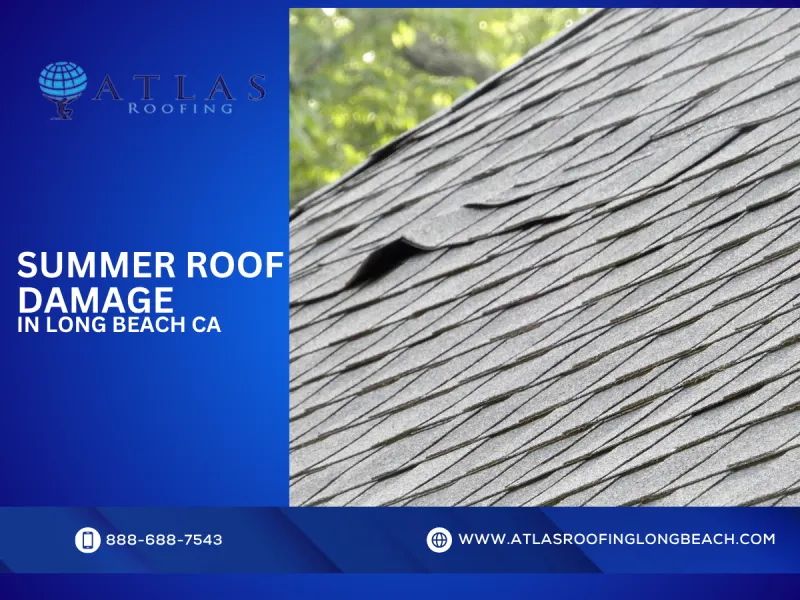
Summer roof damage in Long Beach often develops slowly. It may begin with small changes, such as fading shingles, weakened materials, or minor cracks that are easy to overlook from the ground. Over time, these issues can affect your roof’s ability to protect your home from moisture, heat transfer, and future weather conditions.
Your roof is designed to handle outdoor exposure, but even durable materials have limits. Just like outdoor furniture, paint, or vehicle finishes can fade after years in the sun, roofing materials also experience wear from continuous UV exposure.
The Hidden Impact of UV Roof Damage
The Southern California sun is one of the biggest environmental factors affecting residential roofs. Ultraviolet rays can break down the protective components within roofing materials over time, causing them to lose flexibility and durability.
For asphalt shingles, UV exposure can contribute to:
- Drying and brittleness
- Curling edges
- Cracking surfaces
- Loss of protective granules
- Reduced resistance to future weather events
Roofing materials may still appear functional while slowly becoming more vulnerable. This is why homeowners sometimes discover roof problems after a season of extreme heat even though there was no obvious storm damage.
UV roof damage is especially important in areas like Long Beach, where roofs experience consistent sunlight throughout the year. Regular inspections allow homeowners to identify early signs of deterioration before they turn into larger roofing concerns.
How Roof Heat Affects Your Home
A hot roof does not only affect the outside of your home. Heat absorbed by your roofing system can transfer into your attic space, increasing indoor temperatures and putting additional pressure on your cooling system.
During summer afternoons, roof temperatures can become significantly higher than the surrounding air temperature. Without proper airflow, heat can become trapped inside the attic, creating an environment that affects both comfort and energy efficiency.
Common signs of excessive roof heat include:
- Rooms feeling warmer than usual
- Higher cooling costs during summer
- Hot attic spaces
- Uneven indoor temperatures
- Increased strain on air conditioning systems
Your roof and attic work together as a system. A well-maintained roof combined with proper attic conditions can help reduce unnecessary heat buildup and improve overall home comfort.
Why Attic Ventilation Matters During Southern California Summers
Attic ventilation is one of the most overlooked parts of roofing performance. Many homeowners focus on the visible roofing materials while forgetting about the space directly underneath them.
A properly ventilated attic allows hot air to escape and fresh air to circulate. This helps regulate temperatures, reduce moisture problems, and protect roofing components from unnecessary stress.
Poor attic ventilation can contribute to:
- Excessive heat buildup
- Premature aging of roofing materials
- Moisture accumulation
- Mold growth concerns
- Increased cooling demands
Think of attic ventilation like your home’s breathing system. When airflow is restricted, heat and moisture have nowhere to go. Over time, that trapped environment can shorten the lifespan of your roofing system.
If you are curious about your attic conditions, take a quick look after a hot summer day. Notice whether your attic feels extremely hot, smells musty, or shows signs of moisture. These small observations can reveal potential issues before they become major repairs.
Signs Your Roof May Be Showing Summer Stress
Not every roofing problem is immediately obvious. Some warning signs develop gradually, which makes routine maintenance especially important in warm climates.
Homeowners should watch for:
Damaged or Missing Shingles
Shingles that are cracked, curling, or missing can allow water to enter your roofing system during future rain events. Even small areas of damage can become vulnerable points.
Excessive Granule Loss
If you notice roofing granules collecting in gutters or around your home, your shingles may be losing their protective surface layer.
Faded or Discolored Roofing Materials
Color changes alone do not always mean a roof needs replacement, but significant fading can indicate prolonged sun exposure and material aging.
Rising Energy Bills
If your cooling costs increase without a major change in your usage, your roof and attic system may not be performing as efficiently as they should.
Visible Roof Aging
Sagging areas, cracks, exposed materials, or deteriorated flashing should never be ignored. These signs may indicate that your roof needs professional attention.
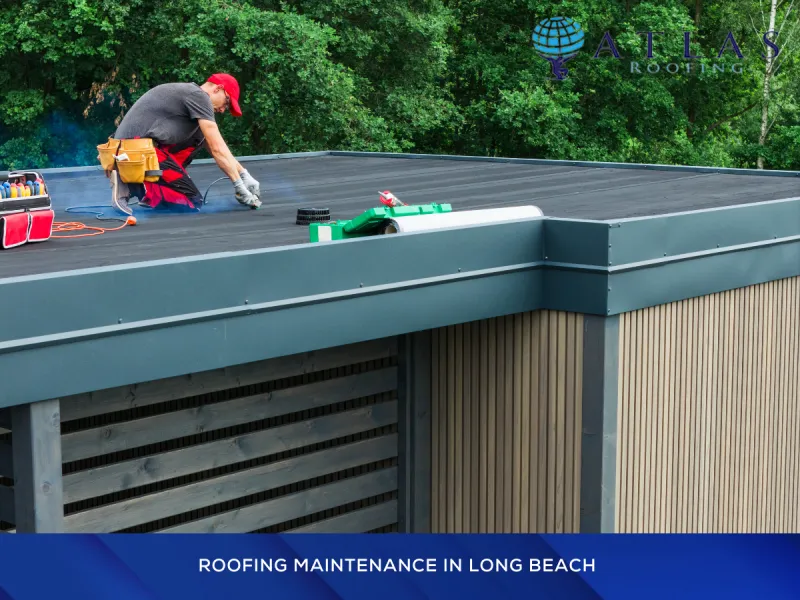
Roofing Maintenance in Long Beach: Small Steps That Make a Difference
Regular maintenance is one of the simplest ways to extend the life of your roof. Southern California’s dry climate can make homeowners forget that roofs still require attention, especially when there is no obvious storm season.
Effective roofing maintenance in Long Beach can include:
- Checking for damaged shingles or tiles
- Cleaning debris from roof surfaces and gutters
- Inspecting flashing around vents and openings
- Monitoring attic ventilation
- Addressing minor repairs before they worsen
Maintenance is not about replacing your roof sooner. It is about helping your existing roof perform as intended for as long as possible.
A proactive approach can also make future roofing decisions easier. Instead of discovering hidden damage during an emergency, homeowners can understand their roof’s condition and plan accordingly.
How Summer Heat Impacts Different Roofing Materials
Not all roofing materials respond to heat in the same way. Some materials are naturally more resistant to temperature changes, while others require more frequent maintenance.
Asphalt shingles remain one of the most common roofing choices because they offer reliable protection and affordability. However, they still require proper installation, ventilation, and maintenance to handle years of sun exposure.
Tile roofing is popular throughout Southern California because it provides durability and strong resistance to heat. However, cracked or broken tiles can create vulnerabilities that should be addressed.
Metal roofing can reflect more sunlight and handle temperature changes well, but proper installation and maintenance are still important for long-term performance.
No matter the roofing material, the biggest factor is often how well the entire system works together, including ventilation, insulation, flashing, and maintenance.
Protect Your Home Before Summer Heat Creates Bigger Problems
Summer weather in Southern California may feel predictable, but its effects on your roof are not always obvious. Heat, UV exposure, and poor airflow can gradually weaken roofing materials and create problems that become more expensive over time.
Summer roof damage in Long Beach is not always caused by one dramatic event. Instead, it is often the result of months or years of exposure combined with overlooked maintenance. Paying attention to early warning signs and understanding how your roof responds to heat can help you make smarter decisions for your home.
Protect Your Roof This Summer With Atlas Roofing Long Beach
If you are noticing signs of heat-related wear, increasing energy costs, or aging roofing materials, Atlas Roofing Long Beach can help you understand your roof’s current condition and the best next steps. Contact Atlas Roofing Long Beach today to schedule a professional roof evaluation and protect your home before small issues become major repairs.